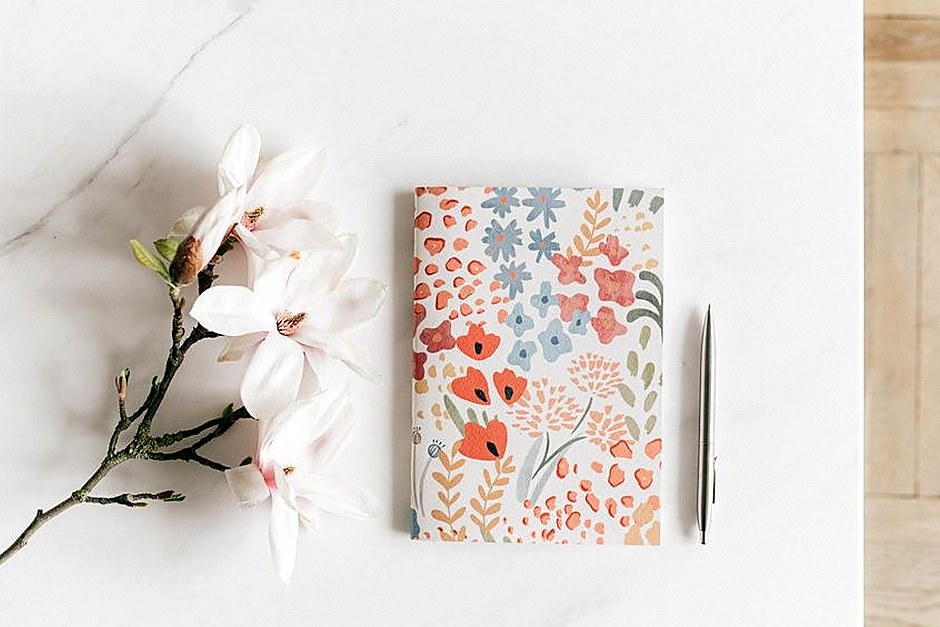
Writing often feels harder when the desk is carrying the remains of several other activities. A receipt from lunch, two charging cables, yesterday’s mug, unopened mail and a notebook from another project each asks for a small amount of attention. None is a serious distraction alone, but together they make the first sentence compete with the entire surface.
A desk reset does not need to become a cleaning ritual. Ten minutes at the end of the day is enough to restore one clear place to work and leave a visible cue for where to begin tomorrow.
First, restore one square of empty space
Clear the area directly in front of the chair before sorting anything carefully. Put objects that belong elsewhere into one temporary pile. The goal is to see an empty writing surface quickly, because that immediate change makes the rest of the reset easier.
Wipe the cleared area if it needs it, then return only the tools required for the kind of work you actually do there. For handwriting, that may be one notebook and a pen. For laptop work, perhaps the computer, a small pad and a glass of water. Everything else has to justify the space.
Keep the next action visible
Before closing the notebook or document for the day, leave yourself a short instruction. It might be “describe the first morning at the station,” “check the measurements in paragraph three,” or “write the email before editing.” The note should be concrete enough that tomorrow begins with an action rather than a decision.
If you work on paper, leave the notebook open to the next page or place a bookmark where the work continues. If you work digitally, write the next action on a small card beside the keyboard instead of relying on memory.
Give loose paper one temporary home
Paper tends to spread because each sheet seems too important to discard and too minor to file immediately. Use a single folder or shallow tray for anything that needs a decision later. Receipts, forms and printed notes can wait there without occupying the working area.
The container should have a limit. Review it once a week and empty it. A temporary home only works if it does not quietly become permanent storage.
Finish with something ready, not something perfect
The final minute is not for arranging pens by color or making the desk photographable. Plug in the device that needs charging. Refill the water bottle if that helps the morning. Put the book you need beside the notebook. Then stop.
A good reset leaves evidence of tomorrow’s work without leaving the mess of today’s. The desk can still look lived in. The useful difference is that the first movement—opening the notebook, sitting down, starting the paragraph—has already been made easier.